Rule #1 – Musical Instruments and their Electronics Systems are generally quite Fragile and need to be treated as such if you want/need them to be reliable. They do NOT like Direct Sunlight, Rain, Humidity or Salty Coastal Air…
Rule #2 – If you are not playing your Instrument – the best place for it is being stored in it’s Hard Case.
Rule #3 – Treat your Instrument like a “loved pet/favourite family member” always store your Instrument in a Cool/Dry place – it will last you much longer!
Rule #4 – NEVER EVER leave an Instrument in a Stationary Parked Car in direct sunlight, EVER!
*This topic is especially important if you live on the East Coast of Australia or in The Wet Tropics, anywhere north of and including the Tropic of Capricorn in Australia all the way up to and including Papua New Guinea and The Pacific Islands.
Australia is a vast landscape of different and changing climate conditions, needless to say the further inland you go the drier the climate and probably 15 kilometers from and to the coast (as the crow flies) then you are in for some Salty Sea Air and possibly some Humidity, further north in Queensland you are in for a Summer Soaked Cyclone Riddled High Humidity Wet Season (usually December through to May) although the Winters up here in Far North Queensland are usually gentle.
If you live in a Semi – Arid area or anywhere west from the East Coast of Australia then you will generally be living in very dry conditions (this is where those Humidifier Packs come in handy – without them we see many Acoustic Solid Tops Cracking (winter out west is especially dry) we recommend you buy a “Mudstick” or similar Humidifier Device from a reputable Musical Instrument or Online Shop that stocks them. They really only need to be used during drier Winter months as there is more than enough humidity the other 9 months of the year.
In the Wet Tropics on the Coastline it gets dry in Winter but not usually enough to split tops. From Cairns City going up up to Kuranda or the Atherton Tablelands though and it is very dry in Winter. The Wet Season on the North Tropical Coast stays around 85 – 97% Humidity for at least 6 Months of each year and we’ve seen it melt Hide Glue and soften other Wood Glues on Instruments in for Repairs, we commonly see it drop Internal Braces off acoustic guitar tops and backs!
If you add the 36 – 40 Degree Celsius heat with the 90% Humidity – well thats enough to unstick an Acoustic Guitar Bridge, if you leave an Instrument in a HOT van or other vehicle on a Hot Day (it can get up to 80 Degrees Celsius in some Vehicles) then the Instrument is likely to warp like crazy – as the Glue softens from the intense heat everything twists and moves (Neck Joints, Bridges, Fingerboards) because the glue softens and string tension dictates how everything twists, when the glue cools and hardens again it can make some Instruments unplayable without major repair work or may render them “beyond economical repair”. (See Rule #4)
Lets flip the coin and discuss Airconditioners. In the Wet Tropics, people literally live in front of Air Conditioners in Summer, the only issue for Instruments is that it dries them out – often too much. I have seen Instruments on stands in a store with cracked tops because the aircon is blasting at them 9 hours a day 6 or 7 days a week. We’ve seen “Airconditioner Trauma” on Acoustic, Electric and even Orchestral Instruments! (See Rule #3) Also see Rule #2.
Guitar Stands – We’ve seen so much damage (Headstock Breaks, Cracked Nuts, Bent Machine Heads, etc.) from Guitars being stored on Stands also. It’s all too easy to bump a Martin or Gibson off a Stand and the Headstock breaks! Yikes!! The Best Stands are the Side Storage Rack Type Stands, the old Tripod Stands and even some of the small A Frame Type Stands are an accident waiting to happen …. (See Rule # 2)

Sweat… it gets on and into everything in Summer, if you like your Electric Guitar Pickups/Preamp Systems and the way they sound – maybe wipe your sweat off them after playing – we’ve repaired and replaced many pickups that have corroded wire from sweat absorbed down the polepieces and generally inside the coils… Also the Nickel, Chrome or Gold Plating will look nicer for longer if you wipe off your SWEAT after playing 🙂
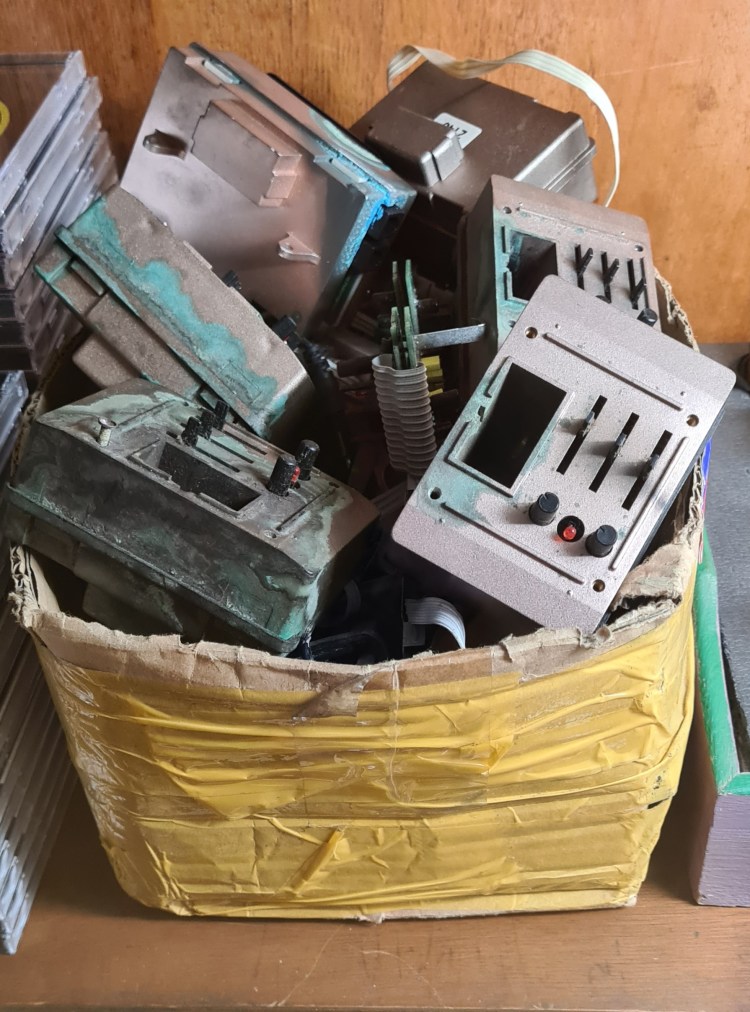
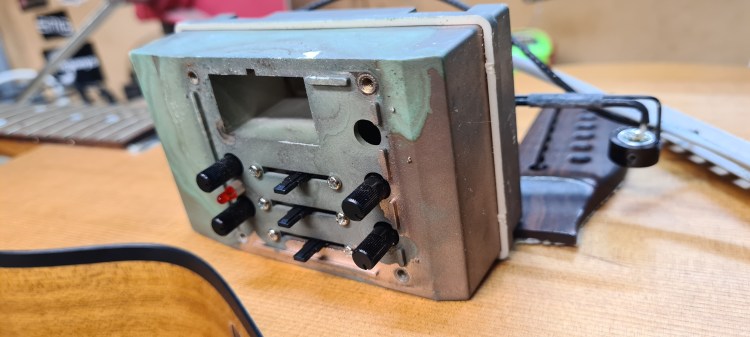
Acoustic Preamps generally start to malfunction and eventually stop working in High Humidity and Coastal Areas. Always remove the Batteries if they are close to the Preamp on your Instrument as they have a tendency to leak and destroy Preamps in the tropics. The photo below shows a box full of Preamp that have succumbed to battery leakage or have worn out from old age on the Coast. Be prepared to replace Acoustic Guitar Preamps and Electronics if you live in Coastal Areas and also especially if you Slap or Tap as Preamp Systems are NOT designed to handle that kind of “Vibration”. We would strongly advise against taking your Instrument to the Beach or on the Ocean. (See Rule #1)
Rainforests – we have seen quite a few musical instruments come down from the rainforest area with cracks and wood splits. As the rainforest air cools overnight it becomes “super humidified” and you can literally see a layer of water on an instrument in the morning after spending a night out of it’s case. Overnight the Instrument has swelled up full of humidity/water overnight and all of a sudden as the sun comes up – the Instrument rapidly dries out hence the cracking/splitting on the top of the Instrument. (See Rule #1 and Rule #2)
Hardcases – never free stand a Guitar or Instrument Case vertically as we have seen and had our own Instruments damaged inside a Hardcase that fell or was knocked over. An Instrument case does its best work laying flat on its back or turned 90 Degrees on its side on the ground. (See Rule #2)
So feel free to check out the Links Below, be sure to check out the the Aussie Made Fenech Guitars Page as they actually “tell it like it is” in the last paragraph on their page!
Look after yourselves and most importantly your beloved Musical Instruments!
 Welcome to the Reuben's Guitar Repairs Website